


Positive Youth Development Helps Young People Thrive
Positive Youth Development (PYD) is an intentional, strengths-based approach that helps young people thrive. Rather than viewing youth as problems to fix, PYD supports them in developing the skills, relationships, and environments they need to reach their full potential and contribute to their communities.
Positive Experiences + Positive Relationships + Positive Environments = PYD
UPCOMING WEBINAR
Using Low-Tech Gamification to Teach High Schoolers About Nutrition: Lessons from the Rev It Up! Curriculum
SPEAKER: Dr. Gemma Bastian, assistant professor in SDSU’s School of Health and Human Sciences and an Extension nutrition and health specialist
November 18, 2026 @ 11:00 AM CT
Register to Attend the Nutrition PYD Webinar View the PYD Webinar Flyer to Learn More
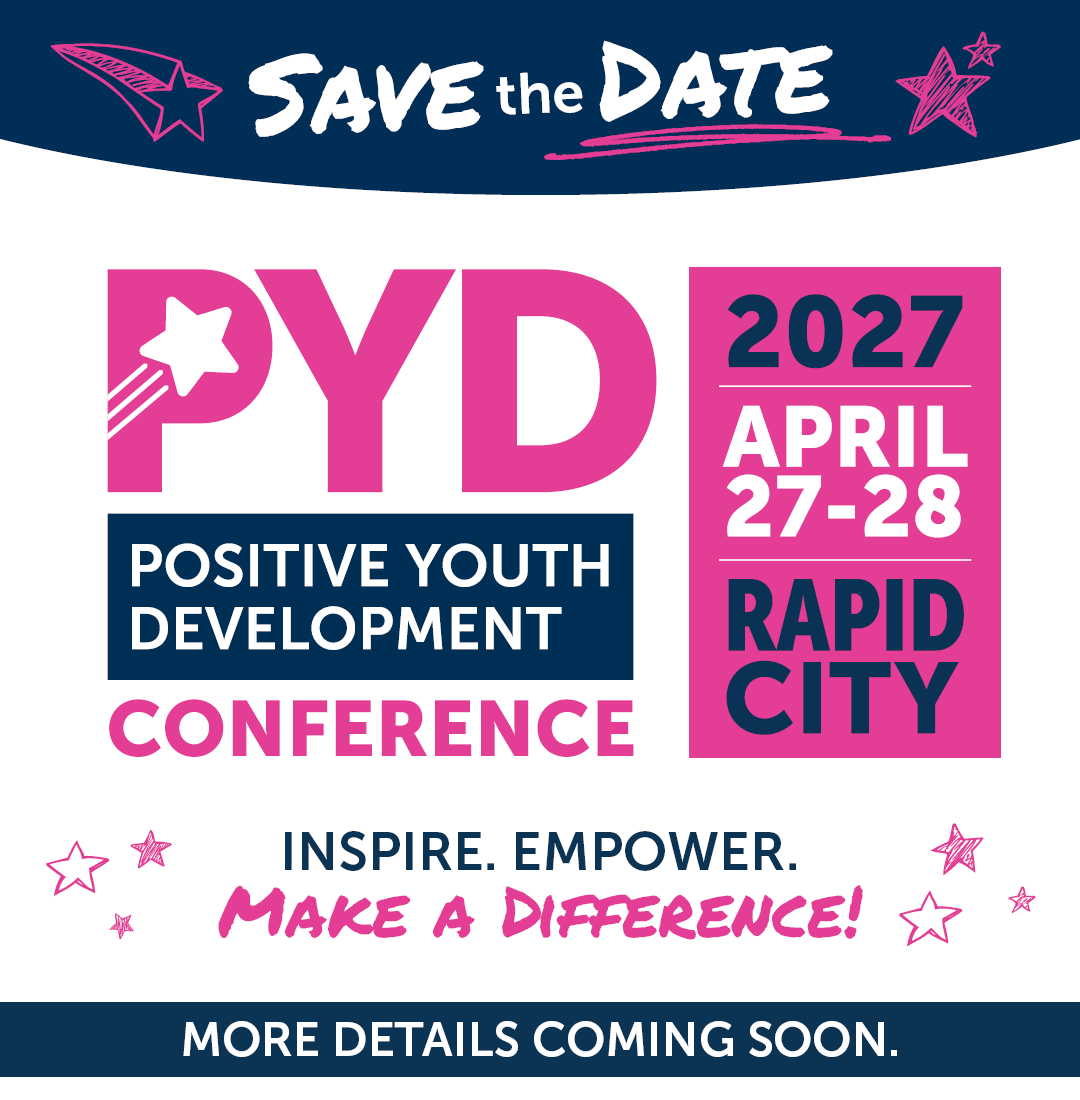
The Positive Youth Development (PYD) Conference brings together educators, youth-serving professionals, public health partners, and community leaders to strengthen supports for young people across South Dakota.
This annual conference focuses on evidence-based strategies, collaborative approaches, and practical tools that help promote healthy relationships and positive outcomes for youth. Attendees will gain insights, share best practices, and build connections that support youth development in schools, programs, and communities.
Learn more about the PYD Conference
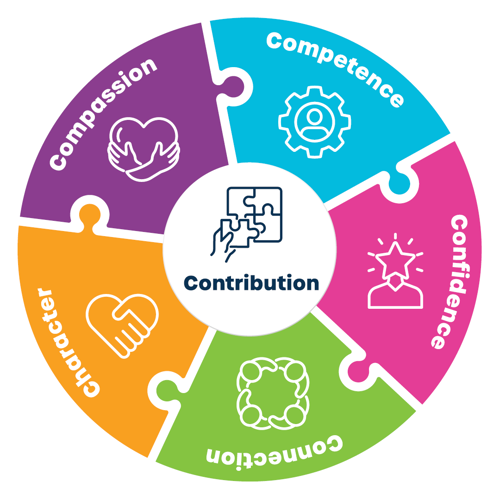
The 5 Cs of Positive Youth Development
- Competence – Confidence in handling life’s challenges
- Confidence – Belief in one’s abilities and self-worth
- Connection – Healthy, supportive relationships
- Character – Respect for rules, ethics, and responsibility
- Compassion – Empathy and care for others
Together, these lead to a sixth C: Contribution to family, school, and community.
What Makes a PYD Program Successful?
- Physical and emotional safety
- Clear structure and expectations
- Supportive adult relationships
- Opportunities for belonging and identity
- Positive social norms and values
- Youth leadership and skill-building opportunities
- Family, school, and community coordination
Why It Matters
Research shows that PYD participants are:
- More likely to graduate from college
- More likely to be financially stable
- More likely to report better mental and physical health
PYD Examples, Training, & Resources
2026/2027 PYD Webinars
Substance Use Prevention Education: The "Why" and the Research
View the August 13, 2026, PYD Webinar Flyer
2025/2026 PYD Webinar Series
View the PYD Playlist on YouTube Download 25/26 PYD Webinar Series Flyer
Positive Experiences
Social Media & Youth Mental Health: New Research & Practical Tips
Dr. Jane Harness, Child and Adolescent Psychiatrist and adjunct clinical assistant professor at the University of Michigan. Her research focuses on the complex influences of social and entertainment media on youth mental health. She has published numerous peer-reviewed papers on this topic and is passionate about sharing helpful information with the community.
Webinar Recording: Social Media and Youth Mental Health: New Research and Practical Tips
Positive Environments
Seeing Young People through Rose Colored Glasses
Lynn Bretl, MPP, Deputy Director of the Center of Healthy Youth Development at the University of Minnesota Medical School, led a presentation on the fundamentals of adolescent development. Attendees will explore how social determinants of health can influence a young person’s ability to complete key developmental tasks and how applying this perspective can strengthen their capacity to support youth more effectively.
Webinar Recording: Seeing Young People through Rose Colored Glasses
Positive Relationships
Healthy Relationships: Talking to Teens about Boundaries
Jazmin Gonzalaz, BS, is the Outreach Services Manager at Project Sister Family Services. She leads prevention efforts while continuing her commitment to supporting survivors and fostering healing.
Webinar Recording: Healthy Relationships: Talking to Teens About Boundaries
- Create opportunities for youth to build skills
- Establish clear prosocial norms, rules of behavior, and consequences
- Create spaces where youth belong and feel included
- Provide access to age-appropriate and youth-friendly services and resources