


When You’re Not the Caregiver — But You Still Care: How to Support a Loved One with Memory Concerns
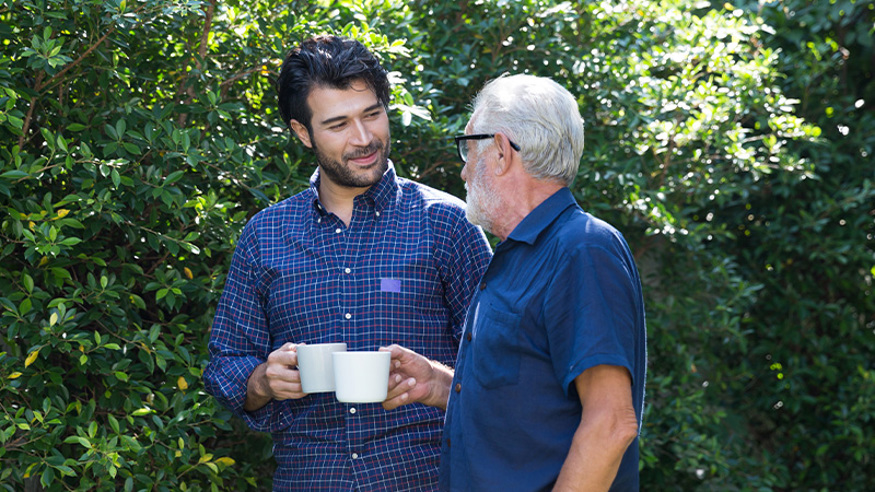
Watching someone you love struggle with memory changes can feel confusing and helpless — especially when you’re not the primary caregiver.
Maybe you’re an adult child who lives out of town. A sibling. A grandchild. A close friend.
You notice little things. Repeated stories. Missed appointments. Moments of frustration. And you want to help… but you’re not sure what your role is supposed to be.
Here’s the good news: you don’t have to be the main caregiver to make a meaningful difference.
Often, the most powerful support isn’t medical or logistical — it’s emotional.
Start simple. Lead with patience.
If they repeat themselves, listen like it’s the first time. If they forget something, gently fill in the gaps without correcting or calling attention to it. Protecting their dignity matters more than being right.
Try phrases like:
- “That sounds fun — tell me more.”
- “No worries, we can figure it out together.”
- “How can I help today?”
Small adjustments in tone can make interactions feel safe instead of stressful.
It also helps to meet them where they are. If plans change or conversations wander, go with the flow when you can. Flexibility reduces frustration for everyone.
And remember — you don’t have to fix everything.
Your role might simply be showing up. Sitting together. Going for a walk. Sharing a meal. Looking through old photos. Familiar, low-pressure activities often spark connection without putting memory on the spot.
Behind the scenes, you can support the primary caregiver, too. Check in. Offer specific help (“Can I handle groceries this week?” or “Want me to take them to their appointment Tuesday?”). Even small tasks lighten the load.
Most of all, give yourself grace. It’s okay to feel unsure sometimes.
There’s no perfect script.
But kindness, patience, and presence go a long way.
Because even when memories shift, feeling loved and supported never fades.
Other Resources and Guides
When Home Care is No Longer an Option
Resources to help find the best place for your loved one.
Overwhelmed is Understandable
Things you can do to take care of yourself while caring for another.
SD Alzheimer’s and Dementia Support Groups
Local support groups for caregivers and individuals living with Alzheimer's and other dementias.
Care for Your Loved One’s Finances
How to protect assets with peace of mind.